Research Institute “Protest – Movement – Democracy”
Memorandum on the Establishment of a Social Science Institution
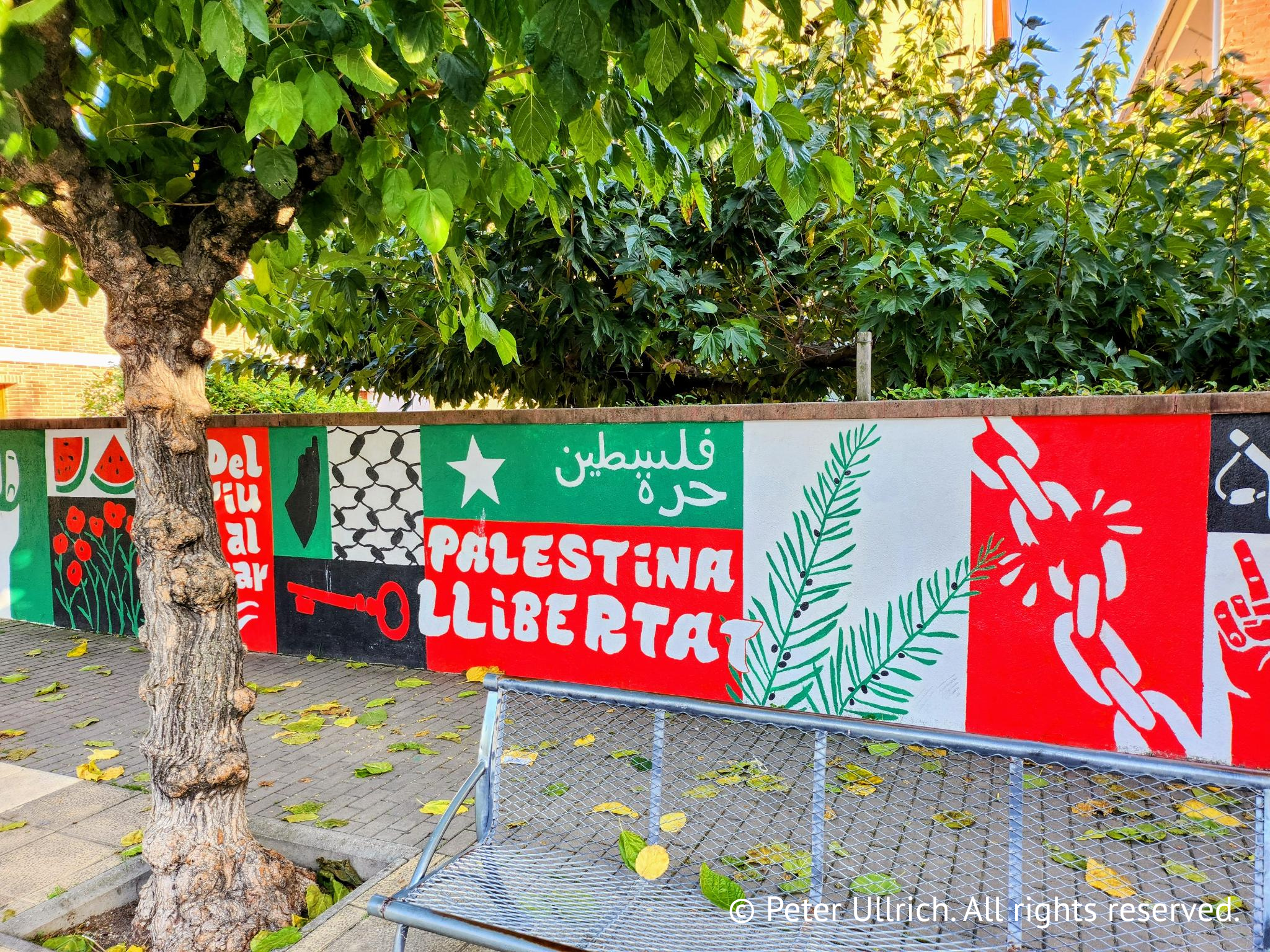
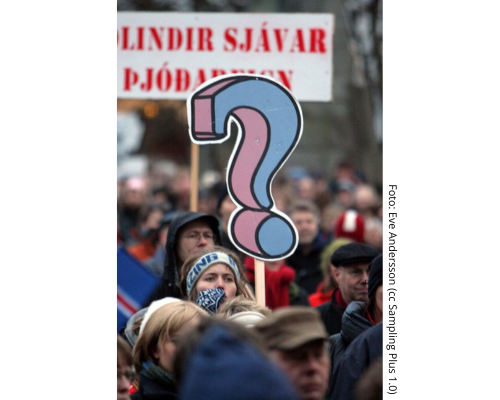
The past few years have reminded us of the transformative power of protests and social movements. Even though politics “from below” is high on the public agenda, it plays only a marginal role in German-language social sciences. Except for large research projects; an institutional anchor is lacking. To change this, a long-term perspective, an institutional home, and corresponding resources are needed. To this end, an institute based in Berlin is to be established.
Democracy as a way of life and the institutional framework of democratic systems have been significantly shaped by protests and social movements. Analyzing citizens’ self-organization and the backgrounds, forms, and effects of civic engagement in politics and society is essential. What motives and issues bring people to the streets? How does political mobilization function? Which social groups remain excluded from politics “from below”? Which forms of engagements promote democracy, and which endanger it? To answer such questions, the research institute to be established will continuously analyze current and historical manifestations of political, social, and cultural protests within their societal context. This primarily concerns events in Germany. In the longer term, however, comparative analyses across countries and cultures, as well as studies of transnational mobilization processes, will also be conducted.
The institute to be founded is primarily a research institution. It is intended to produce and disseminate theoretically informed, empirically grounded knowledge about its field of inquiry that is relevant both scientifically and in political-practical terms. In addition to its research mission, the institute will serve as a hub for research collaborations with other institutions both in Germany and abroad. The institute will dedicate itself to the following core tasks:
- Continuous monitoring of political and social protests in Germany in the form of a constantly updated protest monitor – in particular by building upon an existing dataset on protest events in Germany since 1950 (“Prodat”), supplemented by monitoring of online mobilizations;
- Creating an inventory of citizens’ initiatives and similar groups based on a nationwide survey in Germany;
- Conducting in-depth interviews with protesters (processes of political socialization, conditions, reasons and forms of current engagement, social selectivity of those involved).
In addition to ongoing research, the institute should produce expert reports on current topics at short notice:
- Surveys with demonstrators on-site in high-profile conflict situations – initially focusing on conflicts surrounding infrastructure projects in the transport and energy sectors;
- Accompanying case- or event-specific research on the prerequisites, forms, and outcomes of high-profile conflict situations (e.g., planning approval procedures, citizens’ forums, roundtables, mediation and arbitration processes).
The legal and organizational status of such an institute still needs to be clarified. A possible solution is an affiliated institute or an institution supported by a consortium of several established research institutions in Berlin. Particularly suitable options include: Freie Universität Berlin, Humboldt-Universität zu Berlin, the Technical University of Berlin, Hertie School of Governance, and WZB Berlin Social Science Center, where an institutional space for protest and social movement research existed from 1987/88 until mid-2011.
The institute’s personnel and material resources will be financed from several sources: contributions from the participating institutions of the consortium, foundation grants, third-party funding from research funding organizations, and scholarships or project funding acquired by individual staff members. The institute’s management will consist of a group of highly qualified and recognized scholars. Additional scholars will serve as regular or associate members. An administrative office with a managing director will be established to ensure day-to-day operations, internal coordination, and to respond to or forward external inquiries. The institute’s work will be supported and advised by an advisory board comprised of renowned individuals from academia and civil society.
Berlin, April 2012
Initiative Group for Research Institute “Protest – Movement – Democracy”
Priska Daphi, Donatella della Porta, Roland Roth, Dieter Rucht, Simon Teune, Wolfgang Stuppert, Heike Walk und Sabrina Zajak