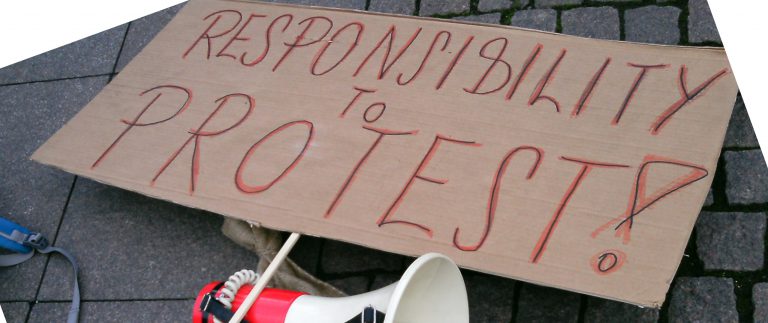
Summer School “Social Movements in European Perspectives” in Bochum
Im September organisiert unser Kooperationspartner, das Institut für soziale Bewegungen an der Ruhr-Universität Bochum, die

Here you will find English language posts about the activities of the ipb and its members, such as information on new projects and events, comments on current (protest) events.
Im September organisiert unser Kooperationspartner, das Institut für soziale Bewegungen an der Ruhr-Universität Bochum, die
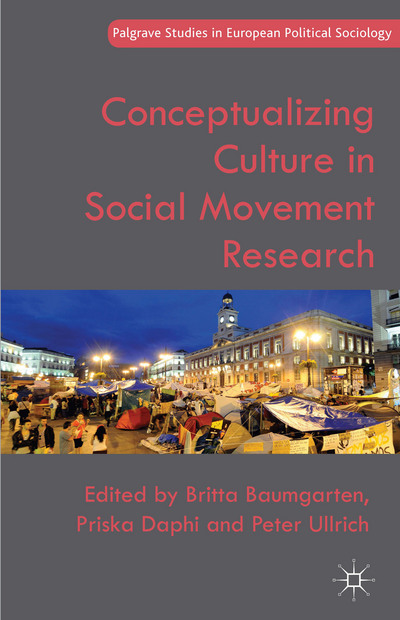
Am 4. Dezember stellen Priska Daphi, Peter Ullrich und Jeffrey Broadbent das Buch “Conceptualizing Culture
[soundcloud url=”https://api.soundcloud.com/tracks/194060840″ params=”color=ff5500&auto_play=false&hide_related=false&show_comments=true&show_user=true&show_reposts=false” width=”100%” height=”166″ iframe=”true” /] – English version below – Ort: Zentrum Technik
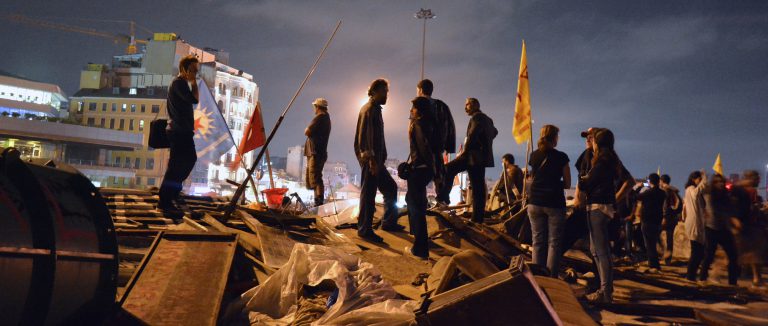
Im Rahmen des Seminars “Planning Conflicts: Struggling over Interests, Meanings, and Identities” von Prof. Dr.
Priska Daphi und Peter Ullrich haben zusammen mit ihrer Kollegin Britta Baumgarten aus Lissabon einen
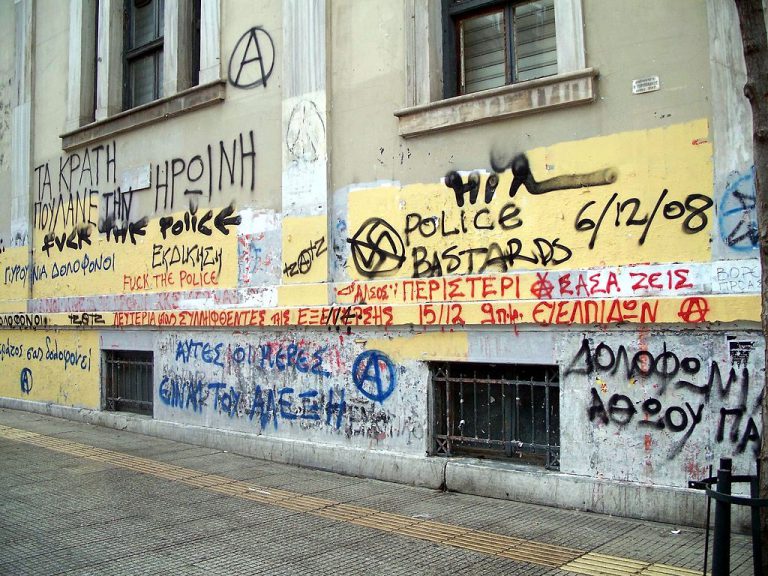
Call for papers: Workshop “Riots IV – Riots and Anarchy” Date: Friday, November 28, 2014,

Call for Contributions: Workshop “Riot!” Part II, February 28th, 2014, 10am to 6pm, Institut für
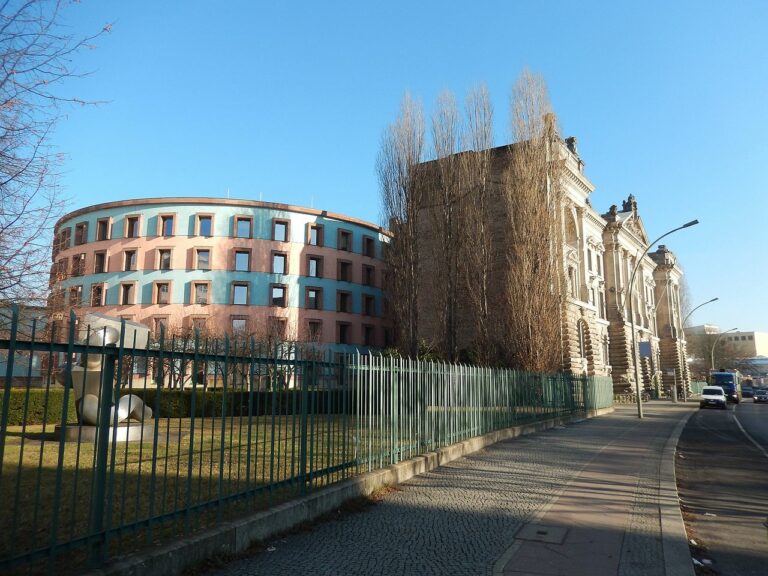
Mit der Gründung des Vereins für Protest- und Bewegungsforschung hat die Initiative von Forschenden zur Einrichtung eines Protestforschungsinstituts einen wichtigen Schritt getan. Eine Notiz zur Gründungsversammlung.

Zwei Mitglieder des Vereins für Protest- und Bewegungsforschung, Sebastian Haunss und Peter Ullrich, widmen sich
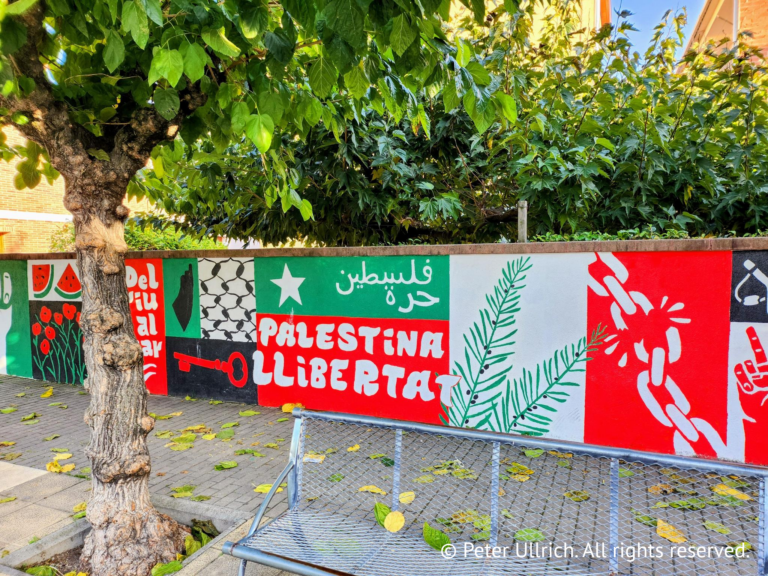
In this year’s workshop of the ipb working group “Social Movements and Police”, we aim to examine state responses to mobilizations focusing on the Israel – Palestine Conflict. Please submit proposals, in German or English. Deadline: July 30th.
These protests are primarily organised by local residents, housing movements, environmental NGOs and workers’ organisations. Their concerns go beyond simple opposition to tourism itself. Rather, protesters are questioning the distribution of tourism’s costs and benefits. While tourism generates revenue and employment, many residents feel that the gains are unevenly distributed, while the burdens fall disproportionately on local communities.
Malta Independent, 31.3.2026: What Europe’s overtourism protests are really telling us — and why Malta should pay attention
Michael Briguglio (University of Malta)
This authoritarian masculinism – experts call it “protective masculinity” – requires a counterpoint: a weak woman worthy of protection who, in traditional patriarchal and heterosexual relationships, serves the man and of course can be sexually subjugated by him. Those of a right-wing authoritarian leaning thus seek to mobilise opposition to the neoliberal notion of women taking up employment, propagating instead traditional roles such as mother and housewife. It’s not only men who do this: female influencers who dub themselves “tradwives” (short for “traditional wife”) make their money from this latter model.
Development and Cooperation, 30.12.2025: The Chainsaw Men
Birgit Sauer (Uni Wien)
The leading figures [of Generation Deutschland] come from a far-right milieu, in which former activists from the Identitarian Movement, fraternities, neo-Nazism and ethno-nationalist groups come together.
France24, 29.11.2025: German far right founds new youth wing in face of protests
Fabian Virchow (HS Düsseldorf)
“Whether you’re talking about the Communists, Yabloko or [the unregistered] Rassvet, at least they exist and they can do something,” Dollbaum told The Moscow Times. “Let’s take the Feminist Anti-War Resistance, one of the most courageous and numerous activist groups that are…very principally against the war and the regime. They [operate in Russia] anonymously…but they can’t currently be a real political actor,” he added.
The Moscow Times, 28.4.2025: Explainer: Does Russia’s ‘Systemic Opposition’ Still Exist?
Jan Matti Dollbaum (Université de Fribourg)
If climate activists foster alliances with trade unions and progressive corporations, a conservative-led government will have to deal with a powerful narrative.
dw.com, 13.2.2025: What’s next for Germany’s climate movement?
Simon Teune (FU Berlin)
A study of nonviolent action by Dalilah Shemia-Goeke finds that multinational corporations are deeply entangled with states in reciprocal relationships of dependence. While this puts constraints on the ability of states to regulate corporations, power imbalances between business and society can be redressed when people withdraw the support on which corporate entities depend.
Salon.com, 29.9.2024: Can we still prevent global catastrophe? Yes — by fighting corporate power, now
Dalilah Shemia-Goeke (Uni Marburg)